8 Books That Celebrate Diversity in Literature
Diversity in literature matters because it connects readers to stories that challenge, reflect, and expand how they see the world. Finding books that genuinely reflect diverse lived experiences rather than just checking a box isn't always easy.
If you're a reader building a more inclusive list, an educator looking for classroom-ready titles, or a community member seeking stories that speak to real human experiences, this post was made for you.
1. The House on Mango Street by Sandra Cisneros
This novel follows Esperanza, a young Latina girl growing up in a Chicago neighborhood, told through a series of short, connected vignettes.
It's a story about identity, the desire to belong somewhere, and the desire to leave.
For readers looking for books for empowerment that don't rely on grand gestures to make their point, this one delivers quietly and stays with you.
2. Americanah by Chimamanda Ngozi Adichie
Americanah follows Ifemelu, a Nigerian woman who moves to the United States for university and later returns home to Nigeria after years abroad. The novel looks at race, identity, and belonging from multiple angles, and it's honest about how those things shift depending on where you are in the world.
It's one of those books that changes the way you read conversations about race long after you've finished it.
3. The Kite Runner by Khaled Hosseini
Set in Afghanistan, this novel follows Amir and Hassan, two friends whose class and ethnicity divide them long before one defining moment does. Hosseini roots diversity in literature in lived cultural truth, not background noise.
It's a story about guilt, loyalty, and what it actually takes to make things right. As one of the more widely read books for social justice in contemporary fiction, it works because it just tells the truth.
4. Their Eyes Were Watching God by Zora Neale Hurston
First published in 1937, this novel follows Janie Crawford, a Black woman in the rural American South, through three marriages and her search for a life that feels like her own. Hurston wrote the dialogue in Southern Black vernacular, an intentional choice and, at the time, controversial.
It's one of the foundational texts of the Harlem Renaissance and a landmark of diversity in literature in American literature. Hurston was preserving a voice that deserved to be on the page exactly as it was.
5. When the Moon Was Ours by Anna-Marie McLemore
This one blends magical realism with a story about gender identity, cultural heritage, and being known by someone who sees you fully. It centers on Sam and Malia, two friends navigating who they are in a world that keeps trying to define them.
It's one of the more affirming books that inspires change for LGBTQ+ readers, and it handles its themes without reducing them to a single message.
6. The Joy Luck Club by Amy Tan
Amy Tan weaves four Chinese American mother-daughter stories across two generations, capturing what each family left behind and what they built together. It's diversity in literature rooted in memory, culture, and the push-and-pull of identity.
As a work of books for education on immigrant experience and intergenerational identity, it's specific without being narrow. The emotions it explores are recognizable across cultures, even as the details are rooted in one particular history.
7. Exit West by Mohsin Hamid
Two people fall in love in a city on the edge of collapse. As conflict escalates, they begin moving through mysterious doors that carry refugees to other countries.
This is one of the most accessible books on displacement and literacy advocacy in recent years because it never loses sight of who its characters are as people. They have desires, humor, and flaws. They are people trying to find somewhere to land.
8. All American Boys by Jason Reynolds and Brendan Kiely
Written in alternating chapters by two authors, one Black and one white, this novel follows the aftermath of a police brutality incident through two teenage perspectives. Rashad is the one directly affected. Quinn is a bystander who has to decide what, if anything, he will do about it.
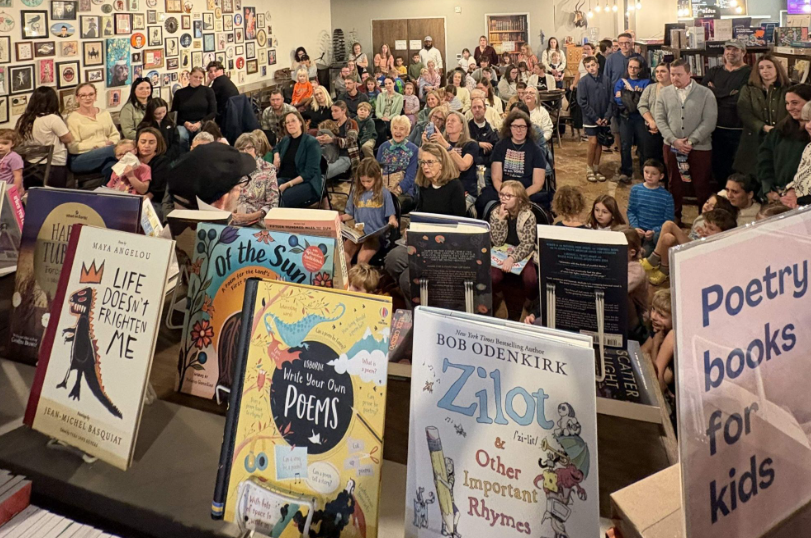
It's direct, honest, and written for young adults without being simplified. This is the kind of promoting literacy work that community-focused bookstores like Lioness Books are glad to put in front of readers of all ages because it opens conversations that matter.
Build Your Inclusive Reading List at Lioness Books
These eight titles represent what diversity in literature can do when it's done well. They don't announce their importance. They just tell the truth about someone's life, and that's what makes them worth reading.
If you're building a reading list and want help finding the right titles, Lioness Books offers a curated selection of physical books spanning diverse cultures, identities, and lived experiences. We stock with intention because the stories on our shelves shape the conversations in our community.
You can also follow along on our blog for more reading guides, community spotlights, and book features as we continue building out our collection.
Find Us in Central Texas
Lioness Books is now open in Old Town Leander with a community-first storefront. We continue to serve Austin and Central Texas through our mobile bookstore at local events, markets, and community spaces. We show up at local events, markets, and community spaces to make books accessible to more people, and we welcome readers into our Leander shop.
If you're looking to explore diversity in literature or want to connect with the Austin reading community, check our events calendar to find us near you. We also accept book donations year-round, so if you have titles you'd like to pass along, we'd love to give them a new home.
You can also reach us directly through our contact page if you have a specific request or question.
Frequently Asked Questions
1. What are the best books about diversity in literature?
Some widely read titles include Americanah by Chimamanda Ngozi Adichie, The House on Mango Street by Sandra Cisneros, and Their Eyes Were Watching God by Zora Neale Hurston. Each one approaches diversity in literature through race, identity, and culture from a grounded, personal perspective.
2. Why is representation in literature important?
Representation matters because it works in both directions. When readers see their own experiences reflected in a book, it reinforces that their stories have value. For readers who don't share that background, it builds understanding that's hard to develop any other way. Research shows that how individuals are represented in books and instructional materials can shape how students understand their place in the world, either reinforcing existing inequalities or offering a powerful counter narrative.
3. What books promote inclusivity for adults?
The Joy Luck Club by Amy Tan, Exit West by Mohsin Hamid, and When the Moon Was Ours by Anna-Marie McLemore are solid picks for diversity in literature focused on adult readers. They cover immigration, gender identity, and cultural heritage without being heavy-handed. All three are on our reading list above.
4. How do books help inspire new perspectives?
Reading across cultures puts you inside someone else's point of view in a way that's hard to replicate. You follow their reasoning, feel their circumstances, and understand their world on its own terms. Over time, that kind of reading shifts how you approach people and situations outside the page.
Key Takeaways
- Diversity in literature spans many niches: The House on Mango Street covers Latinx identity, Americanah tackles race across cultures, and Their Eyes Were Watching God centers Black womanhood and self-discovery.
- The Kite Runner is best for guilt, class, and redemption set against a rich cultural backdrop.
- When the Moon Was Ours and The Joy Luck Club explore gender identity, cultural heritage, and immigrant family dynamics across generations.
- Exit West and All American Boys are best for conversations about migration, displacement, race, allyship, and social justice.
- Every title on this list represents a different corner of diverse literature, giving every kind of reader a place to start.