7 Must-Read Books from Women Authors Who Used Male Pseudonyms
March 19, 2025

The literary world has long been a battlefield for women seeking recognition. Before the 19th century, publishing under a woman’s name was not just discouraged—it was nearly impossible. Women were barred from universities, denied access to formal education, and often silenced in intellectual spaces.


This struggle is both vividly and humorously portrayed in modern takes on literary history, like
the series Dickinson. While the show takes creative liberties in its depiction of the titular poet, it captures the frustration and obstacles women faced in making their voices heard.


In one scene, Emily Dickinson—portrayed by Hailee Steinfeld—reveals that one of
her poems was published anonymously in a local paper. Her father erupts in anger, saying her actions could tarnish the reputation he had carefully built for the family


Though fictionalized, this moment reflects a reality that persisted even into the 1990s. For centuries, women had to fight for a place in the literary world, often resorting to male pseudonyms or publishing anonymously just to be taken seriously.


Many refused to let these barriers define them, using whatever means necessary to ensure their voices were heard. Let’s take a closer look at the women who defied the odds and shaped modern literature as we know it today.
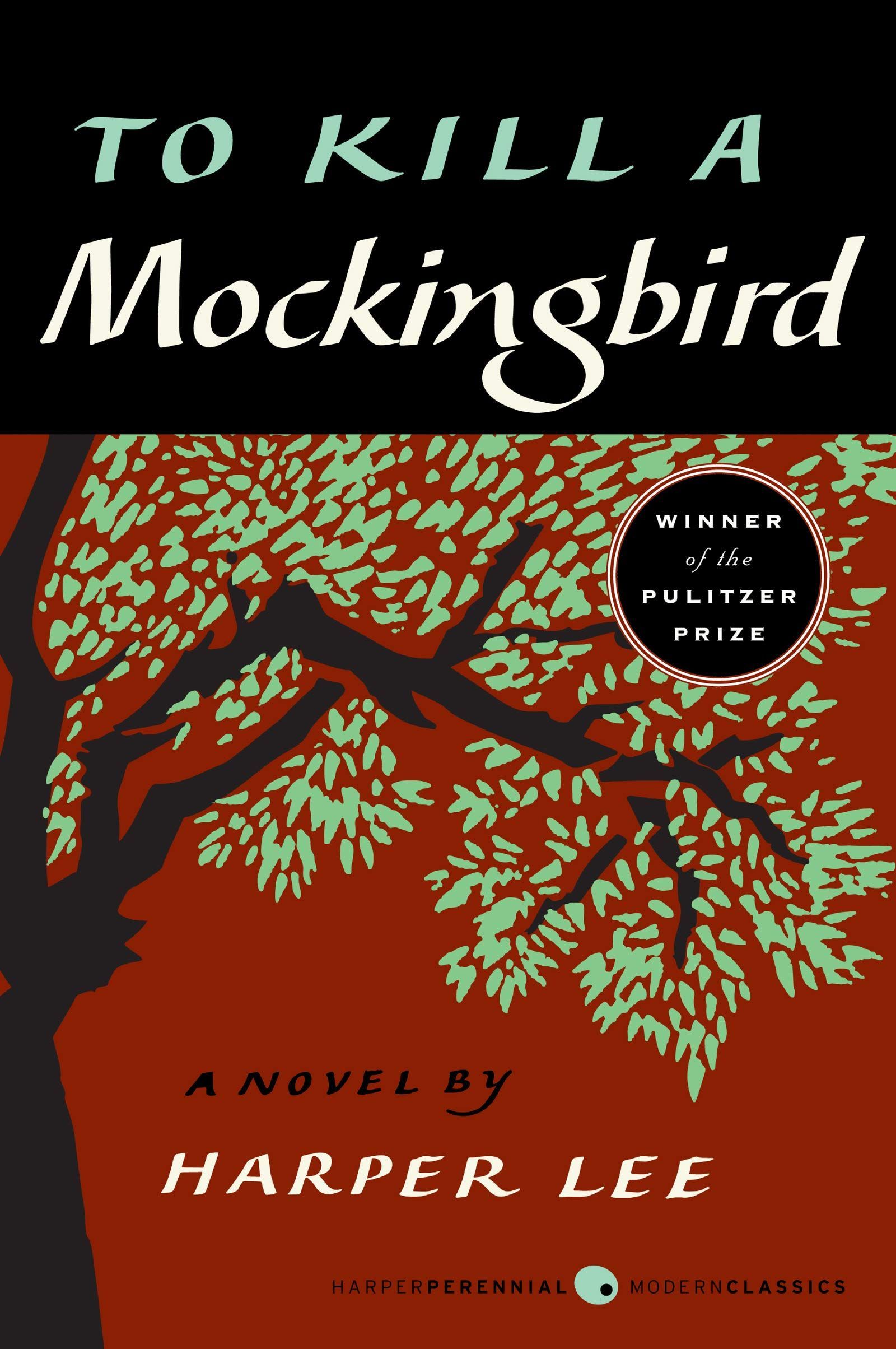
1. To Kill A Mockingbird - Nelle Harper Lee 

(Published under the name Harper Lee)


Harper Lee’s
To Kill A Mockingbird is considered to be one of the most enduring works of American literature that weaved together themes of racial injustice, morality, and human empathy. 


Set in the backdrop of the Deep South in the 1930s, the story follows Scout Finch, a young girl whose father, Atticus Finch, defends a black man falsely accused of assaulting a white woman. Through Scout’s eyes, we witness the persistence of moral courage in the face of prejudice, and a deeply flawed legal system.


Lee, born Nelle Harper Lee, wrote the novel as a reflection of the racial tensions she herself observed growing up in Monroeville, Alabama. Despite its serious themes,
To Kill a Mockingbird carries with it a warmth and humor that makes its message all the more palatable. 


1. To Kill A Mockingbird - Nelle Harper Lee 

(Published under the name Harper Lee)


Harper Lee’s
To Kill A Mockingbird is considered to be one of the most enduring works of American literature that weaved together themes of racial injustice, morality, and human empathy. 


Set in the backdrop of the Deep South in the 1930s, the story follows Scout Finch, a young girl whose father, Atticus Finch, defends a black man falsely accused of assaulting a white woman. Through Scout’s eyes, we witness the persistence of moral courage in the face of prejudice, and a deeply flawed legal system.


Lee, born Nelle Harper Lee, wrote the novel as a reflection of the racial tensions she herself observed growing up in Monroeville, Alabama. Despite its serious themes,
To Kill a Mockingbird carries with it a warmth and humor that makes its message all the more palatable. 


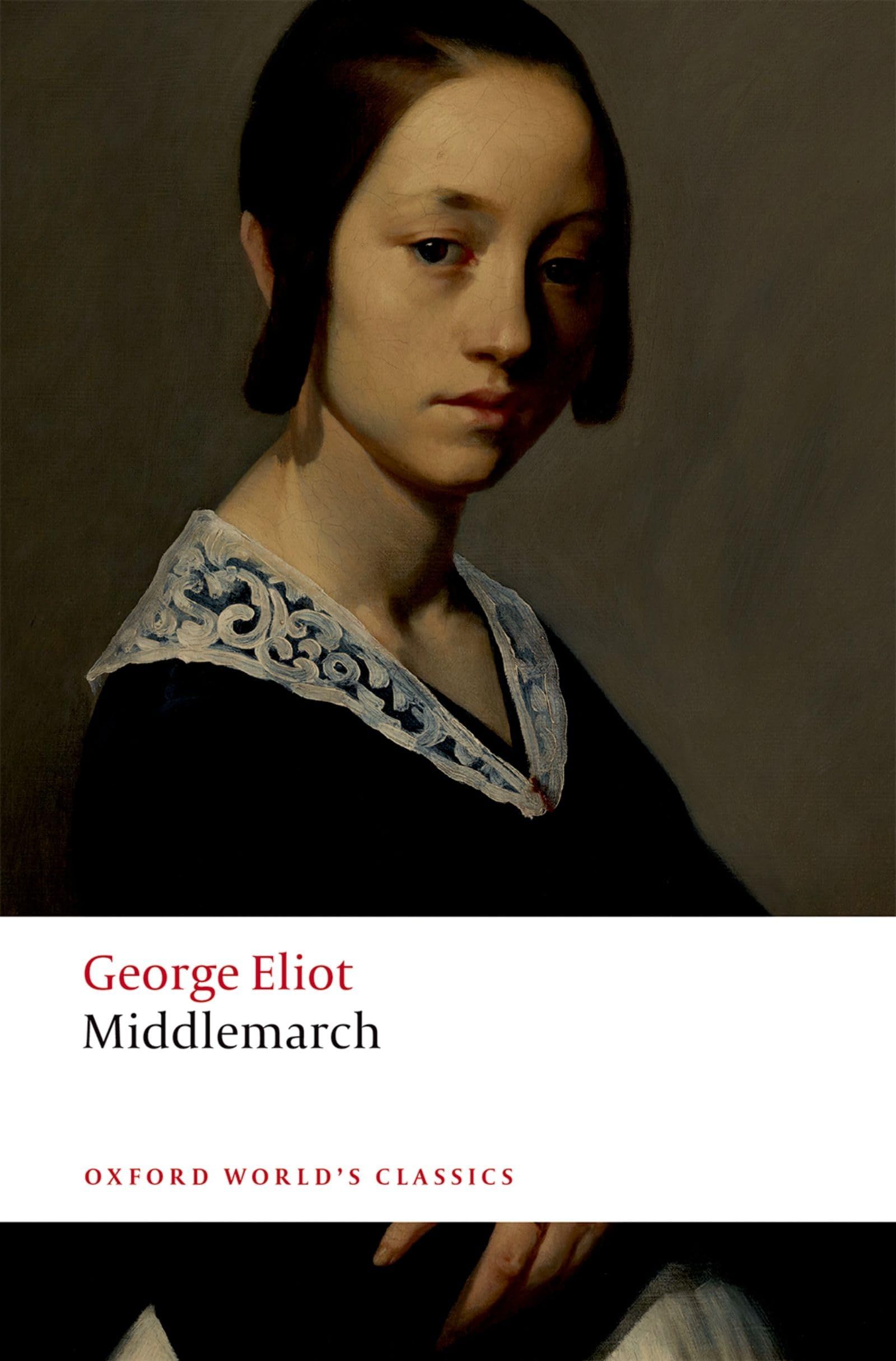
2. Middlemarch - Mary Ann Evans

(Published under the name George Eliot)


Middlemarch follows the story of Dorothea Brooke, a bright and idealistic woman who, hoping to make a meaningful impact on the world, marries the much older scholar Edward Casaubon. She believes this union will allow her to engage in his intellectual work, only to find herself reduced to little more than a secretary, stifled and unfulfilled.


Another intertwined narrative follows Tertius Lydgate, an ambitious doctor who marries Rosamond Vincy, a woman who fits his ideal of femininity—docile, refined, and polished. However, Rosamond assumes Lydgate is wealthy and sees their marriage as a step up in society, only to be disappointed when financial struggles ensue.


In more ways than one,
Middlemarch reflects the wildly unexplored, yet stark realities of the time—women marrying older, wealthier men, hoping for the freedom to pursue their own aspirations, only to find themselves trapped by societal expectations. 


Eliot’s commitment to realistic fiction was groundbreaking, as novels of the era often leaned toward romance or idealized portrayals of life. Instead, she delivered a nuanced, psychological exploration of marriage, ambition, and social constraints that made
Middlemarch a literary landmark.
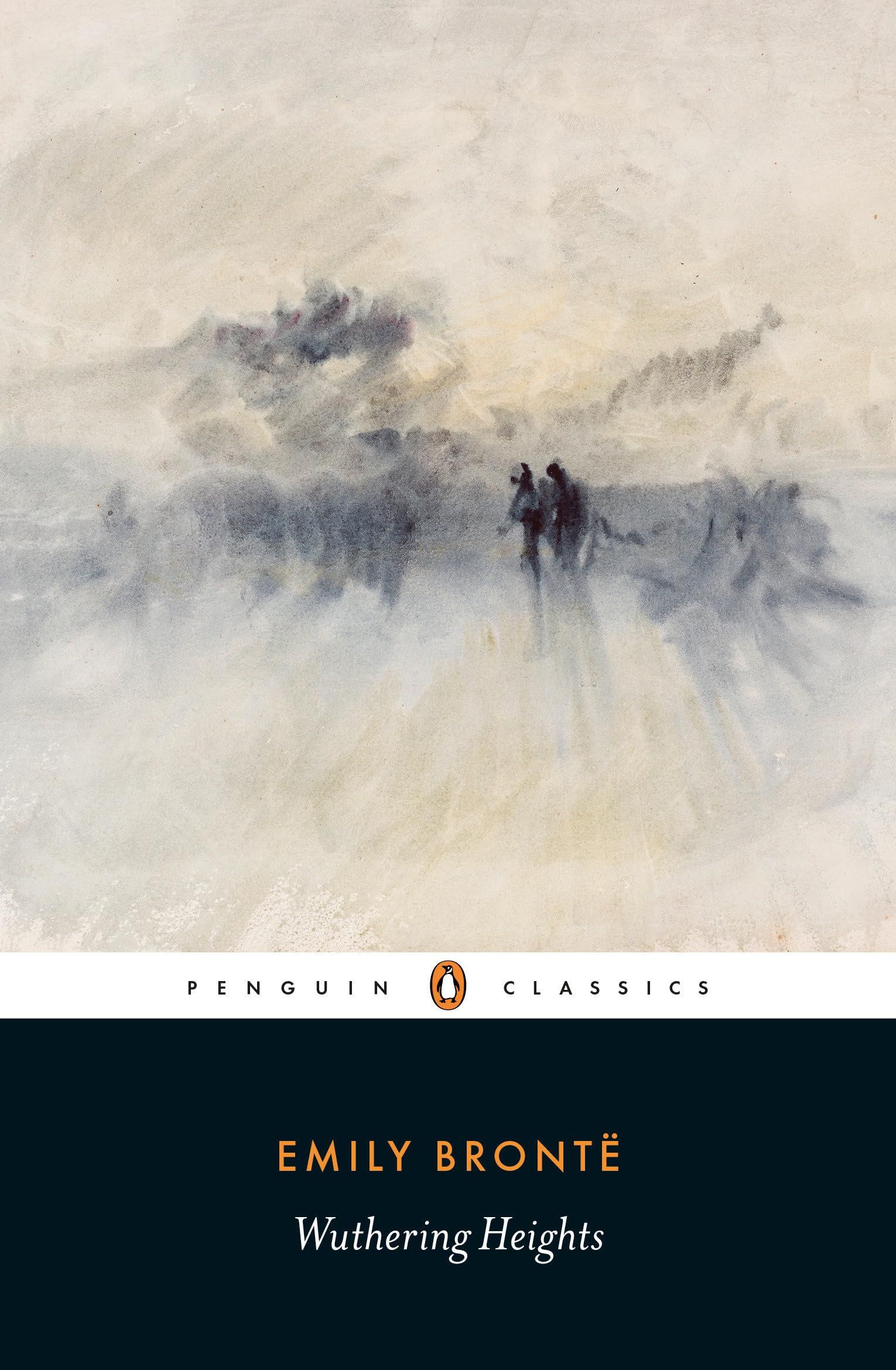
3. Wuthering Heights - Emily Brontë

(Published under the name Ellis Bell)


Emily Brontë, writing as Ellis Bell crafted this controversially passionate tale of love, revenge, and obsession set against the untamed Yorkshire moors. 


The novel follows Heathcliff, an orphan taken in by the wealthy Earnshaw family, and his intense, all-consuming love for Catherine Earnshaw. When Catherine chooses to marry Edgar Linton for status and security, Heathcliff is consumed by bitterness setting off a cycle of vengeance that spans generations.


Wuthering Heights
explored how love can become too all-consuming. Its emotional landscapes and morally ambiguous characters no doubt shocked Victorian readers who were unaccustomed to having raw, intense human emotions vividly depicted in print. 


Brontë published under a male pseudonym to avoid the biases against women writers, allowing her fiercely original work to be judged on its own merit.


3. Wuthering Heights - Emily Brontë

(Published under the name Ellis Bell)


Emily Brontë, writing as Ellis Bell crafted this controversially passionate tale of love, revenge, and obsession set against the untamed Yorkshire moors. 


The novel follows Heathcliff, an orphan taken in by the wealthy Earnshaw family, and his intense, all-consuming love for Catherine Earnshaw. When Catherine chooses to marry Edgar Linton for status and security, Heathcliff is consumed by bitterness setting off a cycle of vengeance that spans generations.


Wuthering Heights
explored how love can become too all-consuming. Its emotional landscapes and morally ambiguous characters no doubt shocked Victorian readers who were unaccustomed to having raw, intense human emotions vividly depicted in print. 


Brontë published under a male pseudonym to avoid the biases against women writers, allowing her fiercely original work to be judged on its own merit.


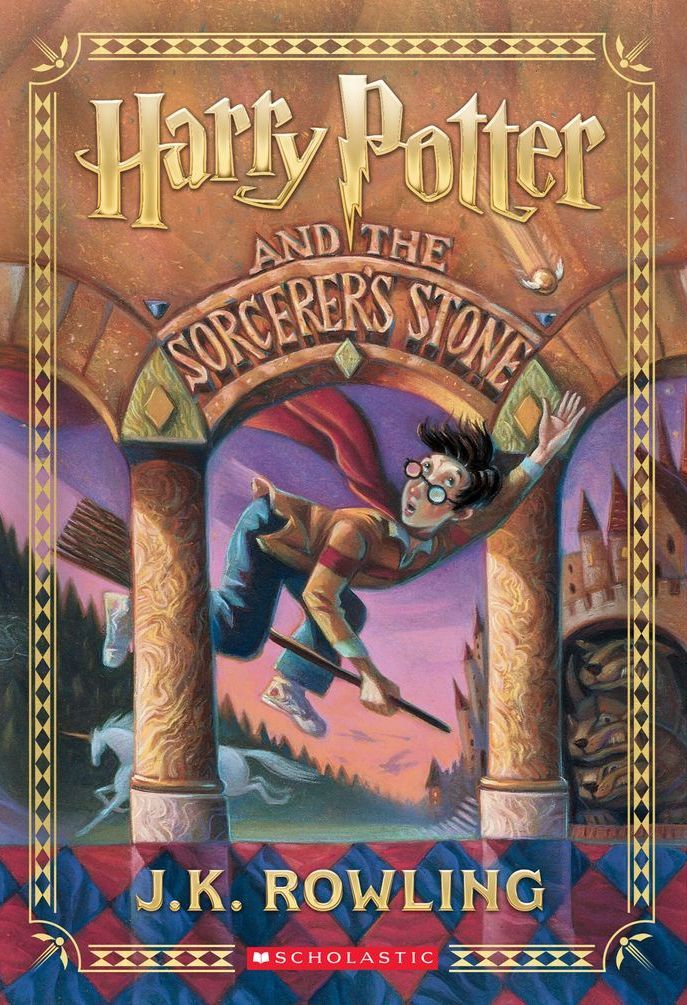
4. The Harry Potter Series - Joanne Rowling

(Published under the name J.K. Rowling)


Joanne Rowling, better known as J.K. Rowling created
Harry Potter which is considered to have redefined modern fantasy literature. What set her writing apart was the intricate world-building, with fictional locations like Hogwarts, Diagon Alley, and the wizarding world as a whole feeling as real as any historical setting.


Despite the series popularly marketed as a novel for kids and young adults, the series tackled deeply mature themes, such as the fight against oppression, propaganda, and warning against the dangers of unchecked power. 


Rowling chose to publish under J.K. Rowling rather than Joanne Rowling, as her publisher feared a female author’s name might deter young male readers. Regardless,
Harry Potter became a literary phenomenon and sparked a fierce following that still endures today. 
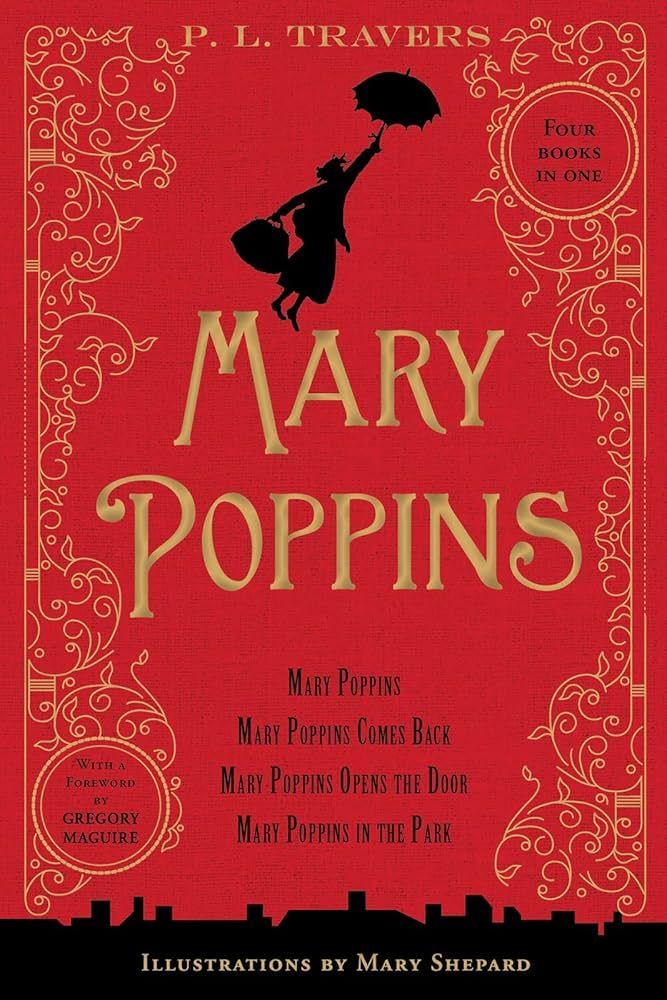

5. Mary Poppins - Pamela Lyndon Travers / Helen Lyndon Goff

(Published under the name P.L. Travers)


You may know Mary Poppins as the Disney classic, but behind it was the very private P.L. Travers. Born Helen Lyndon Goff, she initially and briefly pursued acting under the name Pamela Lyndon Travers.


After her father’s death, Goff was thrust into the role of breadwinner at a young age, a responsibility that shaped much of her life. Seeking independence and a fresh start, she married a journalist and moved to England, where she reinvented herself as Pamela Lyndon Travers.


It was under this identity that she pursued writing, and in 1934, she introduced the world to
Mary Poppins, a strict, enigmatic nanny, far from the warm Disney portrayal, who led the Banks children on surreal and magical adventures.


Over time, the books faced scrutiny for outdated racial depictions, leading to revisions. Yet Travers’ original vision remained intact. Her own transformation reflected the struggles of women carving out space in a world that refused to make room. Her identity, much like Mary Poppins herself, was a mix of authority, mystery, and quiet defiance. 


Check out the full list of recommendations here.

Audiobooks here.

5. Mary Poppins - Pamela Lyndon Travers / Helen Lyndon Goff

(Published under the name P.L. Travers)


You may know Mary Poppins as the Disney classic, but behind it was the very private P.L. Travers. Born Helen Lyndon Goff, she initially and briefly pursued acting under the name Pamela Lyndon Travers.


After her father’s death, Goff was thrust into the role of breadwinner at a young age, a responsibility that shaped much of her life. Seeking independence and a fresh start, she married a journalist and moved to England, where she reinvented herself as Pamela Lyndon Travers.


It was under this identity that she pursued writing, and in 1934, she introduced the world to
Mary Poppins, a strict, enigmatic nanny, far from the warm Disney portrayal, who led the Banks children on surreal and magical adventures.


Over time, the books faced scrutiny for outdated racial depictions, leading to revisions. Yet Travers’ original vision remained intact. Her own transformation reflected the struggles of women carving out space in a world that refused to make room. Her identity, much like Mary Poppins herself, was a mix of authority, mystery, and quiet defiance. 


6. Indiana - Amantine Aurore Dupin

(Published under the name George Sand)


Before she became George Sand, she was Amantine Aurore Dupin. Dupin was mainly raised by her grandmother for most of her childhood, whose home set the backdrop of many of the novels she wrote.


Like many women in France and in other parts of the world during her time, she was expected to conform to rigid expectations of womanhood. Instead she defied conventions, by not just leaving her husband, but dressing as a man to gain access to male-dominated intellectual circles and live on her own as a writer.


Her first published novel,
Indiana (1832), set the tone for her literary career. The novel follows Indiana, a young noblewoman trapped in an oppressive marriage to an older, controlling husband. Desperate for freedom and longing for passion, she is drawn to Raymon, a charming but ultimately self-serving man who exploits her vulnerability. 


Through Indiana’s struggles, Sand exposed the suffocating constraints placed on women, challenging the idea that marriage was their only destiny. 


At a time when women writing about female desire and autonomy risked backlash—or outright condemnation—publishing as George Sand gave her the freedom to challenge the very society that sought to silence her. 
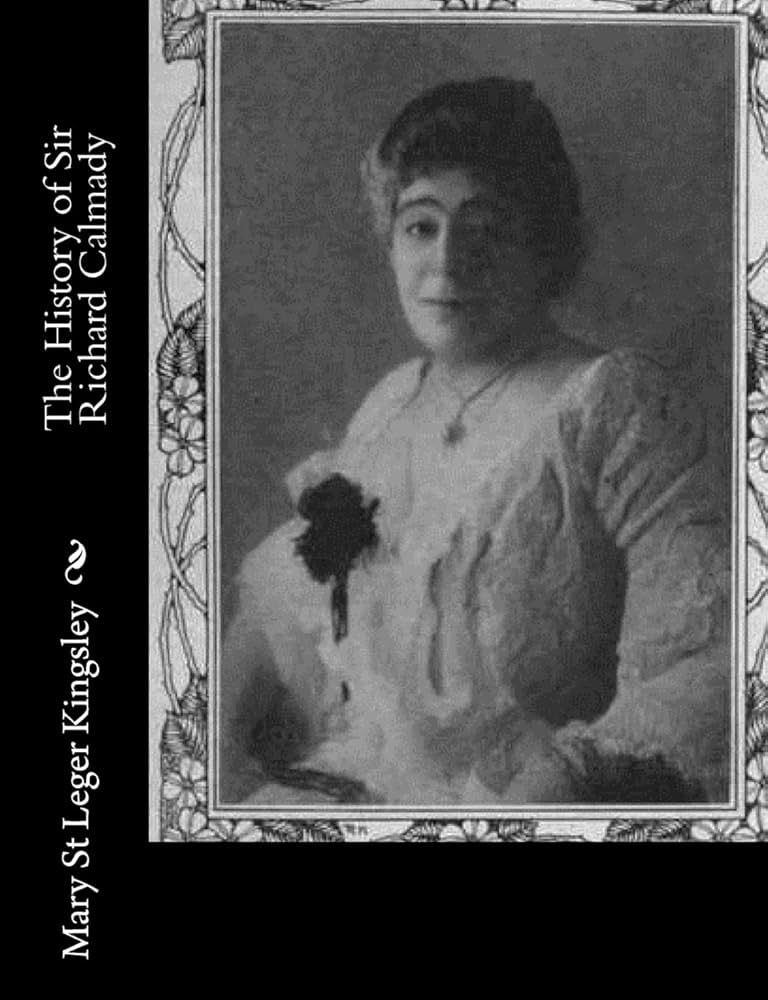

7. The History of Sir Richard Calmady - Mary St. Leger Kingsley

(Published under the name Lucas Malet)


Before she became known as Lucas Malet, she was Mary St. Leger Kingsley, the daughter of Charles Kingsley, a prominent clergyman. Despite being born into an intellectual family with two of her uncles being writers, her path to literature was anything but direct.


Marriage to her father’s colleague, William Harrison, a vicar, confined her to domestic and clerical duties, forcing her to set aside her artistic ambitions. Only after they separated did she fully commit to writing, adopting the pen name Lucas Malet to establish herself independently.


Her most notable novel,
The History of Sir Richard Calmady (1901), follows a nobleman whose life is shaped by a severe physical deformity. The character was inspired by Arthur MacMurrough Kavanagh, an Irish aristocrat born without fully formed limbs. Despite his condition, Kavanagh learned to navigate life just as capably as anyone else—riding horses, hunting, and mastering everyday tasks in ways few thought possible, even going on to serve in Parliament.


Despite her literary achievements, Kingsley died in poverty. Several factors contributed to her decline, but a possible reason, as noted by her sole biographer,
Patricia Lorimer Lundberg, was the critical reception of her later work. As her writing progressed beyond Victorian conventions, incorporating discussions of gender and sexuality that challenged traditional norms, critics became increasingly dismissive. 


Rather than embracing her complex and unconventional themes, they sought to place her back into a more familiar literary mold—one that she had long outgrown.


Check out the full list of recommendations here.

Audiobooks here.

7. The History of Sir Richard Calmady - Mary St. Leger Kingsley

(Published under the name Lucas Malet)


Before she became known as Lucas Malet, she was Mary St. Leger Kingsley, the daughter of Charles Kingsley, a prominent clergyman. Despite being born into an intellectual family with two of her uncles being writers, her path to literature was anything but direct.


Marriage to her father’s colleague, William Harrison, a vicar, confined her to domestic and clerical duties, forcing her to set aside her artistic ambitions. Only after they separated did she fully commit to writing, adopting the pen name Lucas Malet to establish herself independently.


Her most notable novel,
The History of Sir Richard Calmady (1901), follows a nobleman whose life is shaped by a severe physical deformity. The character was inspired by Arthur MacMurrough Kavanagh, an Irish aristocrat born without fully formed limbs. Despite his condition, Kavanagh learned to navigate life just as capably as anyone else—riding horses, hunting, and mastering everyday tasks in ways few thought possible, even going on to serve in Parliament.


Despite her literary achievements, Kingsley died in poverty. Several factors contributed to her decline, but a possible reason, as noted by her sole biographer,
Patricia Lorimer Lundberg, was the critical reception of her later work. As her writing progressed beyond Victorian conventions, incorporating discussions of gender and sexuality that challenged traditional norms, critics became increasingly dismissive. 


Rather than embracing her complex and unconventional themes, they sought to place her back into a more familiar literary mold—one that she had long outgrown.


T-shirts with text hang on a wall behind a store counter. Yellow, blue, pink, brown, purple, and white shirts.
By Ainsley Shaw November 24, 2025
Find the perfect read for every book lover on your list with our curated Holiday Gift Guide! We have taken the time to highlight some show stopping presents to make your shopping a breeze. Shop small and support your local bookstore this holiday season by purchasing gifts through our Bookshop and Libro sites. View our entire selection of December book recommendations in physical and E-book format here and audiobooks here . From all of us at Lioness Books, thank you for supporting small businesses and Happy Holidays! For the Romance Devotee
Black headphones resting on a fan of open books, top view.
November 13, 2025
Find 12 soothing bedtime audiobooks for adults, kids, and toddlers with gentle stories and meditations to support better sleep and calm nights.
A hand holding an open, worn green book against a black background.
By Ainsley Shaw October 29, 2025
Local author Kevin Ashton talks with us about his upcoming book The Story of Stories , in which he outlines the history and development of human storytelling from night fires to the contemporary digital age. Look out for the release of Ashton’s book on March 3, 2026. Visit our Bookshop or Libro sites to pre-order The Story of Stories.
Close-up of rusty barbed wire against a blurred sepia background.
By Biff Rushton October 17, 2025
Book Review by Biff Rushton
Black book cover with a white, childlike drawing of a house with a ghost above. Title:
By Ainsley Shaw October 13, 2025
Local author Cassidie Salley talks with us about her new gothic fantasy novel, Vanish in the Ambre . We spoke with Salley previously back in April about her book After the Light Died , and are now hosting her Book Launch Party at Wildfire Park in Leander on October 24th from 5pm to 9pm! There will be trick or treating, live music, and a food truck. Come in costume to receive a free Lioness Books tote bag! AS: Tell us about your new gothic fantasy book “Vanish in the Ambre”! CS: “It’s set in modern-day Texas, in a town called Trickem (based on the real-life town of Trickham!). All sorts of witches and fantastical creatures live there, but the town’s largest population is their infestation of ghosts. Our main character, Becca Newman, is a necromancer, specializing in reviving people’s pets and familiars. She’s on the job one day reviving a familiar when she stumbles upon a secret she wasn’t supposed to find.” AS: Do you have any favorite moments from the book—or writing it—that you can share with us? CS: “At the very beginning of the book is a chapter where Becca goes to the movies and a ghost interrupts her watching. That was the first time this story really clicked for me, trying to merge the modern-day teenager just trying to hang out with a deep and dark haunting. I spent the rest of the book trying to chase that energy I found in that one chapter.” AS: What messages or sentiments do you hope readers will take away from your book? CS: “While this is a very silly and (hopefully) funny book, a lot of its deeper themes are about grief and loneliness. Losing yourself after a traumatic event, losing friends and wondering what happened, trying to find yourself but still being labeled an outsider…all of this stuff is hard, and unfortunately a lot of young people can relate to it. While Becca is certainly not perfect, she is unapologetically herself. She’s alone because of it sometimes. Then one day, people who appreciate that about her start gravitating towards her. If there’s one thing I want people to take away from this book, it’s to not be afraid to be yourself even in the midst of grief and loneliness, because the right people will find you. If there’s another thing I want them to take away, it’s to not be afraid of being vulnerable in that grief, because sometimes that’s the only way to heal.”
White head sculpture with a floral arrangement growing from the top, against a blue background.
October 7, 2025
Check out 10 powerful books on mental health that break the stigma. Discover these must-reads and enrich your perspective today.
By Ainsley Shaw September 22, 2025
Local author Janice Airhart talks with us about her two memoirs, Mother of My Invention: A Motherless Daughter Memoir and (newly-released) Subject to Change: Teaching and Learning from Teen Moms . Airhart also shares her favorite moments from her writing process and a message she hopes readers take away from her work. Check out her website here .
Woman in yellow top reading an orange book by a window; sunny setting.
September 12, 2025
Discover 15 incredible books for National Read A Book Day, featuring inspiring stories and hidden gems. Pick your next great read today.
Open book with soil and a green sprout growing from it.
August 22, 2025
Discover 10 powerful self-help books that could change your life. Explore these inspiring reads and start your personal growth journey today.
By Biff Rushton August 11, 2025
At Lioness Books, we believe that books are not merely a matter of ink and paper, but are armories brimming with the untamed ordinance of freedom, ideas, transformation, progress and inspiration; arsenals forged to fight the soul-silencing tyranny of ignorance and suppression. Under current political conditions, the United States has seen an alarming escalation in the scope and scale of book censorship, with our great state of Texas leading the charge in aggressive restriction of accessing books which explore race, gender, sexuality, and social justice. In 2025, the banning of books has re-emerged not as a fringe idea or lesson in history, but as a strategy within a broader effort to control cultural narratives and shift our truths. Disguised as protection, this current call for censorship threatens the very essence of what a bookstore believes in and represents… a free exchange of ideas. We, as Texans, are standing at an epochal crossroads, facing a challenge that is not simply a battleground for intellectual freedom, but a fatal threat to democracy herself. Here at Lioness Books, we are resolute in our dedication to this struggle, and we are committed to fight without compromise nor capitulation. Texas, more than any other state, leads the country in formal book challenges and bans. According to data from PEN America, a nonprofit organization that tracks censorship in literature, Texas school districts have led the nation in book bans for the past five years. These bans often target works of LGBTQ authors, books by and about people of color, and works that confront America’s historical injustices. The political justification tends to hinge on vague or loaded terms such as obscenity, indoctrination, or inappropriate content, without recognizing the literary or didactic value of the works in question.  What we are witnessing in Texas is not just a reaction to individual titles, but the deliberate use of censorship as a political weapon to reshape public education and discourse. State legislators have passed and proposed laws that limit how teachers can discuss race and gender in classrooms, and library materials are now under scrutiny from elected boards, whose knowledge of literature and learning is more often than not, slim to none. These developments are not isolated. They are part of a coordinated national trend that has pushed Texas out front as the ideological epicenter and political testing-ground for this refurnished brand of censorship. These bans do more than remove books; they erase the experiences of marginalized communities, signaling to students - especially those from underrepresented groups - that their stories don’t matter. We believe our youth deserve better. They deserve literature that reflects the full spectrum of human experience, and to deny access to those diverse perspectives is to rob them of a chance to develop critical thinking, empathy, insight, and a nuanced understanding of the world. The pages of history are stained with the consequences of book bans, a tactic employed by those who seek to suffocate the human spirit’s capacity for thought and soulful transformation. In Nazi Germany, the beginning flames of fascism were fed with kindling constructed of novels, poems, political papers, and science texts deemed un-German, degenerate , or contrary to the country’s nationalist ideology. Their 1933 book burnings were not vandalism but a calculated effort to erase ideas that threatened fascist control, setting the stage for the cultural and moral devastation that was soon to come. In the Jim Crow South, from Reconstruction through the Civil Rights era, books that affirmed the dignity of Black Americans or exposed the horrors of racism - like Zora Neale Hurston’s Their Eyes Were Watching God - were systematically excluded from public access to preserve the narrative of racial inferiority. The McCarthy era in 1950s America also echoed this fear of ideas, as the government’s frantic, anti-communist crusade led to the blacklisting of authors, librarians, and teachers. Works such as Thoreau’s Civil Disobedience and John Steinbeck’s The Grapes Of Wrath were pulled from library shelves beneath the accusation of promoting leftist ideals, and for daring to question the status quo. History offers countless parallels: the 16th century burning of Mayan codices, and the erasing of indigenous knowledge by the Spanish, or the Chinese Communist Party’s destruction of counterrevolutionary texts during the Cultural Revolution. Each instance reveals censorship as the weapon of choice for those who fear the power of knowledge and the capacity of the right words to awaken consciences, stir emotions, and ignite movements of change. These lessons from the past compel us to resist the book bans of today, recognizing them as assaults on the very essence of intellectual and moral freedom. Texas - where freedom and independence have long been considered God-given birthrights - we must resist being the next to fall into the goose-step march of oppression, censorship, and control. Our children deserve better. Our teachers deserve better. Our future deserves better, and our democracy - messy, plural, and defiant - demands better. For Lioness Books, our resistance to this suppression is not just a matter of principle. It is a recognition of literature’s role in the eternal struggle for justice and truth. We call home a state where the political climate has become increasingly hostile towards dissent, and where public education is being transformed into a war of ideological conformity. As a bookstore, we are under no illusion that our shelves alone can halt these efforts. But we believe in the power that books possess in uniting and sustaining resistance and delivering hope. By preserving access to stories, we preserve the heartful soul of culture; we preserve truth. When we defend the right to read; we affirm liberty and the right to question, dream, and dissent. This has nothing to do with nostalgia. This is survival. Lioness Books will continue to stock what is banned, what is hidden, what is suppressed, and we will celebrate what is silenced. We will carry the voices forward proudly and full-throated. Because history shows us, when you ban a book, you don’t erase its truth… you ignite its power.